Metro Station Guide in India: Types, Facilities, Tickets, Smart Cards, Safety Rules & Travel Tips
Metro stations are an essential part of India’s modern public transportation system, providing fast, reliable, and convenient travel within major cities. From the Delhi Metro and Bengaluru Metro to Mumbai, Chennai, Hyderabad, Kochi, and other expanding metro networks, millions of passengers use metro stations every day for daily commuting, business trips, education, and tourism.
Whether you’re traveling by metro for the first time or looking for information about metro station facilities, ticketing, smart cards, security checks, or accessibility services, this guide covers everything you need to know.
Quick Information
| Information | Details |
| Transport Type | Urban Rapid Transit |
| Managed By | Metro Rail Corporation of the City |
| Coverage | Major Indian Cities |
| Ticket Options | Token, Smart Card, QR Ticket (City Dependent) |
| Entry Security | Mandatory Security Screening |
| Accessibility | Available at Most Stations |
| Parking | Available at Selected Stations |
| Platform Type | Underground, Elevated or At-Grade |
What Is a Metro Station?
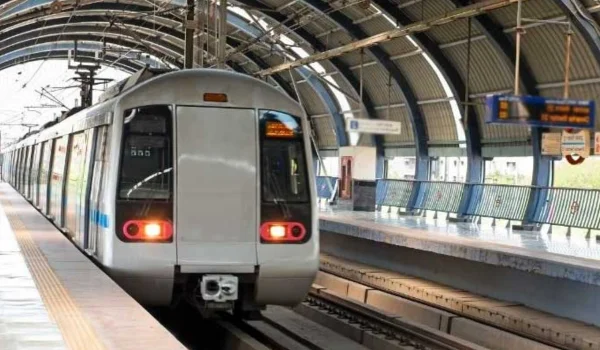
A Metro Station is a railway station built for an urban rapid transit system, commonly known as a metro or metro rail. These stations allow passengers to board and exit metro trains safely while providing facilities such as ticket counters, automated fare collection systems, security screening, waiting areas, lifts, escalators, and passenger information displays.
Metro stations are designed for quick passenger movement and are generally located near residential areas, business districts, shopping centers, educational institutions, hospitals, airports, and major transport hubs.
How Metro Stations Work
A typical metro journey involves the following steps:
- Enter the station through the designated entrance.
- Purchase a token, smart card, or use a digital ticket where available.
- Complete the mandatory security screening.
- Tap your smart card, scan your QR ticket, or insert your token at the fare gate.
- Follow signs to the correct platform.
- Board the arriving train.
- Exit at your destination by tapping or returning your ticket, depending on the system.
Most metro stations use automated fare gates to make entry and exit smooth and efficient.
Types of Metro Stations
Metro stations in India are generally classified into three categories.
Elevated Metro Stations
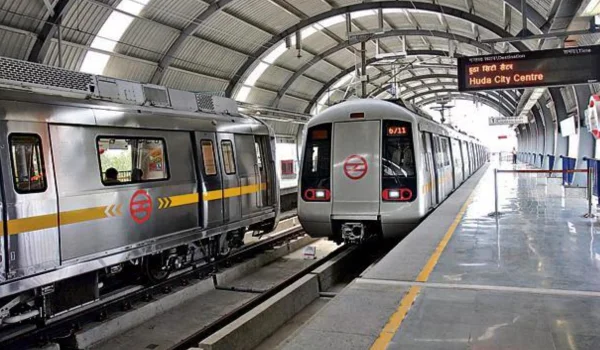
Built above ground on elevated viaducts, these are the most common type of metro stations in India.
Underground Metro Stations
Constructed below the surface, underground stations are common in densely populated city centers where space is limited.
At-Grade Metro Stations
These stations are built at ground level and are used in selected metro corridors where suitable land is available.
Facilities Available at Metro Stations
Most metro stations provide a wide range of passenger amenities.
| Facility | Available at Many Stations |
| Ticket Counter | Yes |
| Ticket Vending Machine | Yes |
| Smart Card Recharge | Yes |
| QR Ticket Support | Available in Many Cities |
| Escalators | Yes |
| Elevators (Lifts) | Yes |
| Drinking Water | Available at Many Stations |
| Washrooms | Available at Many Stations |
| Seating Area | Yes |
| Parking | Selected Stations |
| CCTV Surveillance | Yes |
| Security Screening | Yes |
| Passenger Information Display | Yes |
| Public Announcement System | Yes |
| Wheelchair Accessibility | Available at Most Stations |
Ticket Options
Depending on the metro network, passengers may use:
- Single Journey Token
- Metro Smart Card
- QR Code Ticket
- Mobile Ticketing App
- National Common Mobility Card (NCMC), where supported
The available ticketing options differ between metro systems.
Smart Cards
Metro Smart Cards offer several advantages:
- Faster entry and exit
- Cashless travel
- Easy recharge
- Reduced waiting time
- Convenient daily commuting
Many metro systems also support online recharge through official apps and websites.
Security at Metro Stations
Passenger safety is a priority at metro stations.
Security measures commonly include:
- Baggage screening
- Metal detector checks
- CCTV monitoring
- Security personnel
- Emergency communication systems
- Platform safety announcements
Passengers are expected to cooperate with security checks before entering the paid area.
Accessibility Features
Modern metro stations are designed to accommodate passengers with different mobility needs.
Common accessibility features include:
- Lifts
- Ramps
- Wheelchair access
- Tactile pathways
- Accessible ticket counters
- Reserved seating inside trains
- Audio and visual announcements
Availability may vary depending on the station and metro network.
Parking Facilities
Many metro stations offer parking facilities for:
- Cars
- Motorcycles
- Bicycles
Parking availability, capacity, and charges differ by station.
Metro Station Rules
Passengers are generally expected to:
- Follow security instructions.
- Stand behind the safety line.
- Allow passengers to exit before boarding.
- Keep tickets or smart cards until the journey ends.
- Maintain cleanliness.
- Avoid carrying prohibited items.
- Follow station announcements.
Rules may vary slightly between metro systems.
Metro Stations in Major Indian Cities
Metro rail systems currently operate in several Indian cities, including:
- Delhi
- Mumbai
- Bengaluru
- Chennai
- Hyderabad
- Kolkata
- Kochi
- Jaipur
- Lucknow
- Nagpur
- Pune
- Ahmedabad
- Kanpur
- Agra
Additional metro projects are under construction or expansion in several cities.
Metro Stations by City
Explore detailed metro station guides for major cities:
- Delhi Metro Stations
- Mumbai Metro Stations
- Bengaluru Metro Stations
- Chennai Metro Stations
- Hyderabad Metro Stations
- Kolkata Metro Stations
- Kochi Metro Stations
- Jaipur Metro Stations
- Lucknow Metro Stations
- Nagpur Metro Stations
- Pune Metro Stations
- Ahmedabad Metro Stations
Advantages of Metro Travel
Metro systems offer several benefits:
- Fast urban transportation
- Reduced travel time
- Lower traffic congestion
- Environment-friendly travel
- Reliable schedules
- Comfortable commuting
- Better connectivity
- Affordable fares
Safety Tips for Metro Passengers
To enjoy a safe journey:
- Arrive a few minutes before your train.
- Keep your belongings secure.
- Stand behind the platform safety line.
- Follow station announcements.
- Use lifts or escalators carefully.
- Avoid rushing while boarding or exiting.
- Report suspicious items or activities to metro staff.
- Follow emergency instructions if required.
Frequently Asked Questions
What is a Metro Station?
A Metro Station is a station built for an urban rapid transit system where passengers board and exit metro trains.
What facilities are available at metro stations?
Most metro stations offer ticket counters, smart card recharge facilities, security screening, escalators, lifts, passenger information displays, and accessibility features. The exact facilities may vary by station.
Can I use a smart card at every metro station?
Most metro systems offer smart card facilities, although ticketing options and card compatibility differ between cities.
Are metro stations accessible for wheelchair users?
Most modern metro stations include accessibility features such as lifts, ramps, tactile paths, and designated facilities for passengers with disabilities.
Is parking available at metro stations?
Many metro stations provide parking facilities, but availability and charges vary by location.
Conclusion
Metro stations have transformed urban transportation in India by offering a fast, safe, and efficient way to travel across major cities. With modern passenger amenities, digital ticketing systems, accessibility features, and strong security measures, metro rail has become one of the most preferred modes of public transport for daily commuters and visitors alike.
Whether you’re using the metro for work, education, shopping, or sightseeing, understanding how metro stations operate, the facilities available, and the basic travel guidelines can help make your journey smoother and more convenient. As metro networks continue to expand across India, they will play an even greater role in improving urban mobility and sustainable transportation.
You may also like
Leave a Reply